„Dimitrie Cupovski“ 13, 1000 Skopje +38923244000 ic@mchamber.mk
„Dimitrie Cupovski“ 13, 1000 Skopje +38923244000 ic@mchamber.mk
.png)
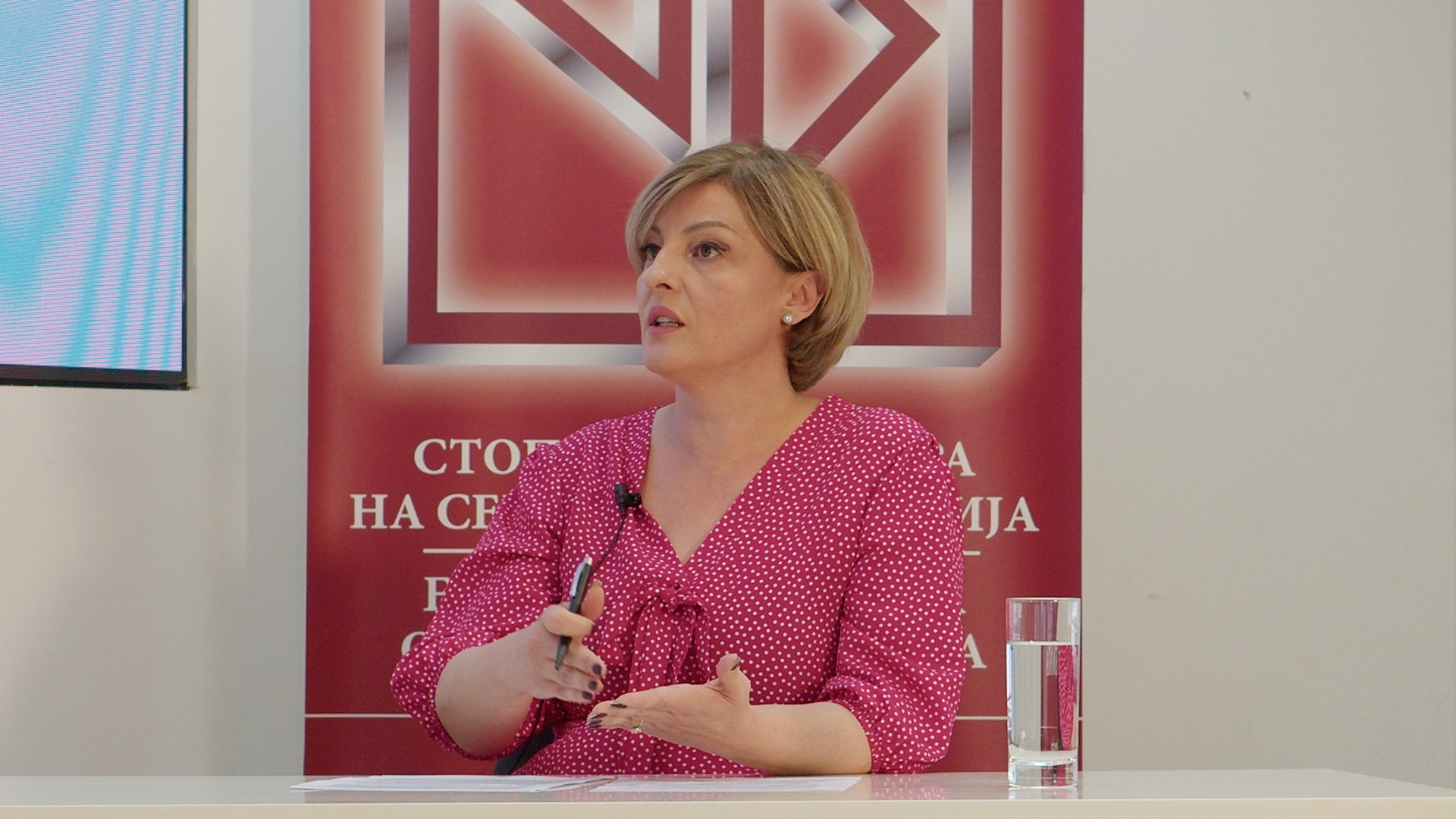
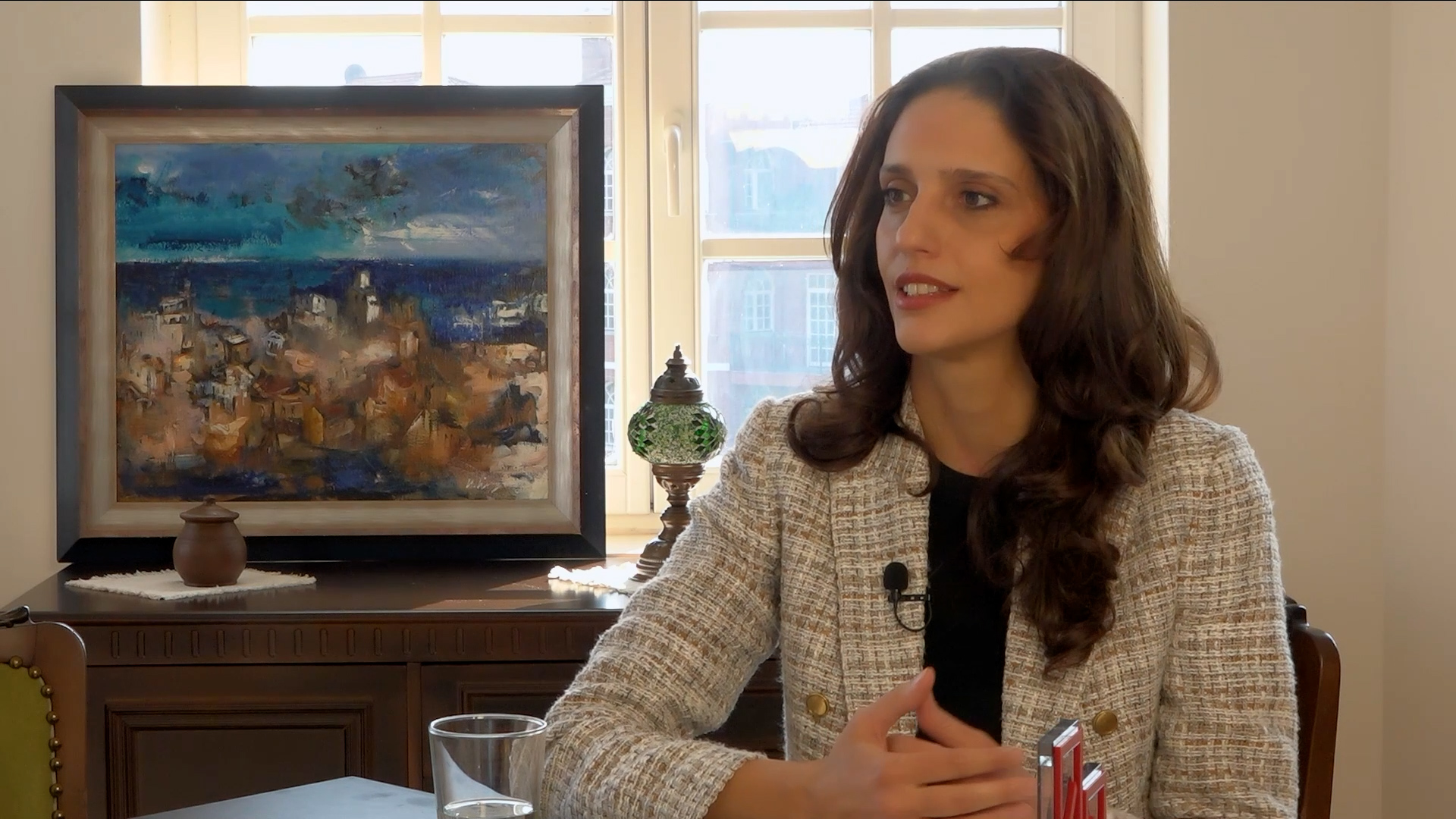
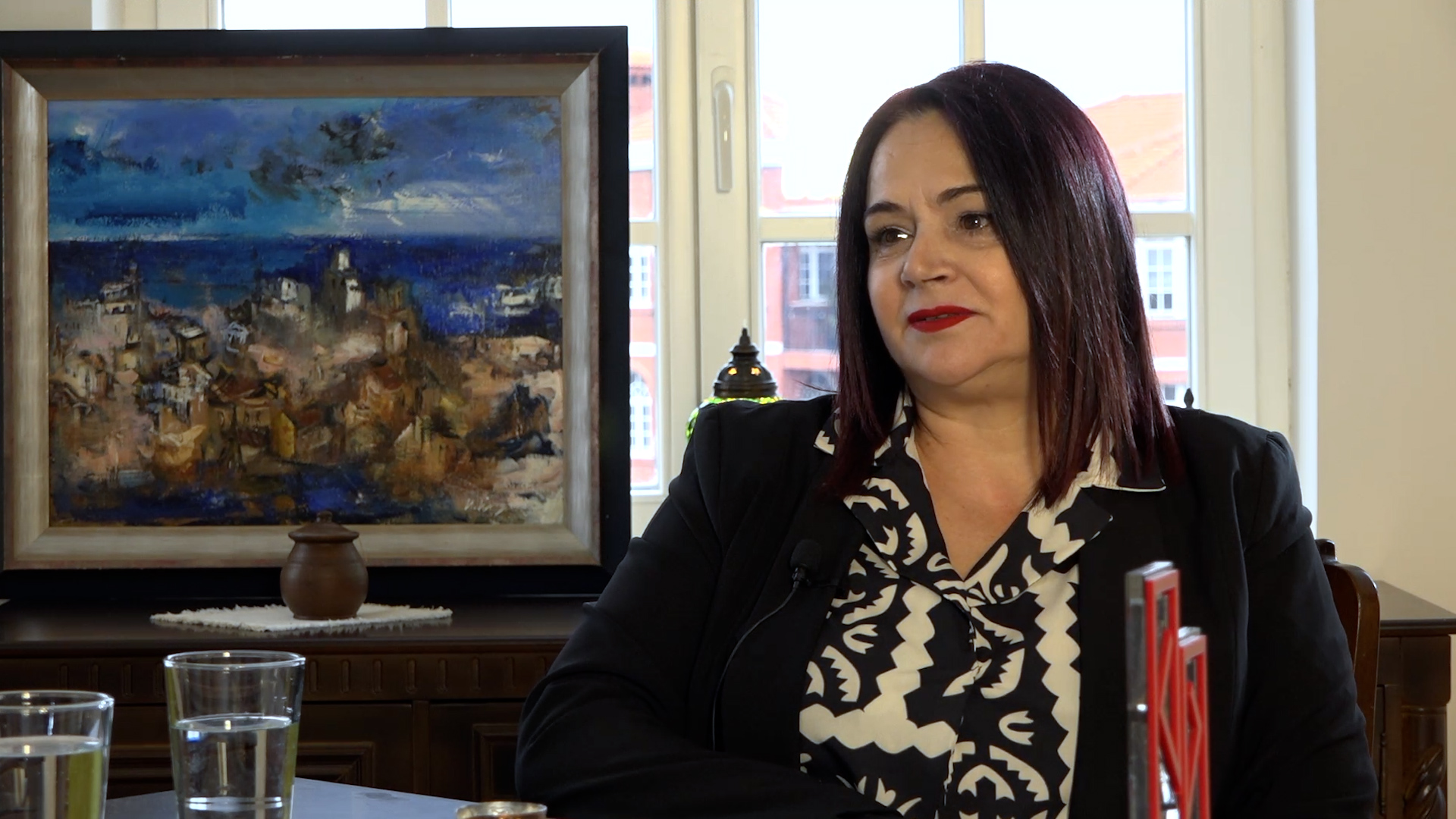
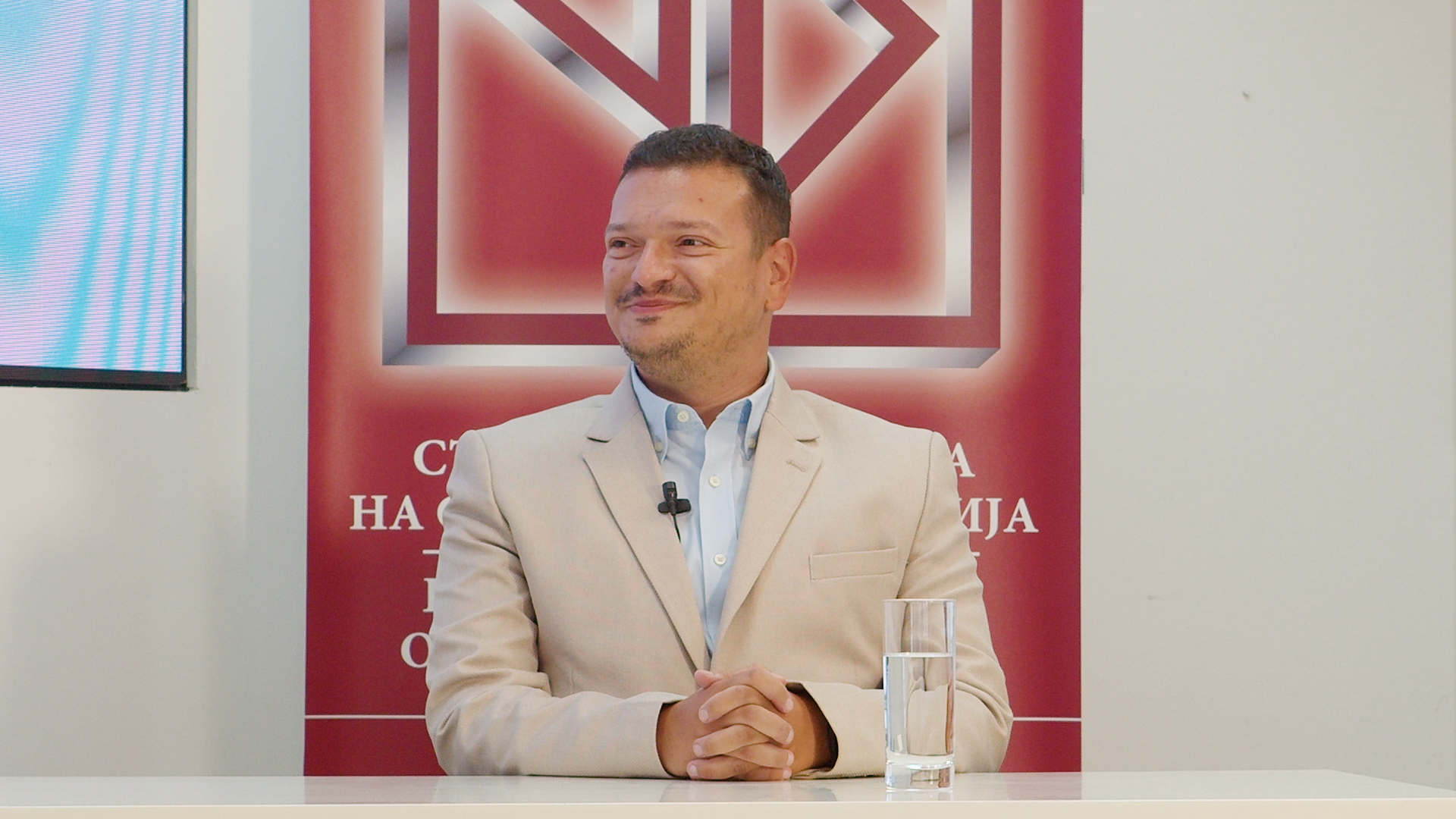
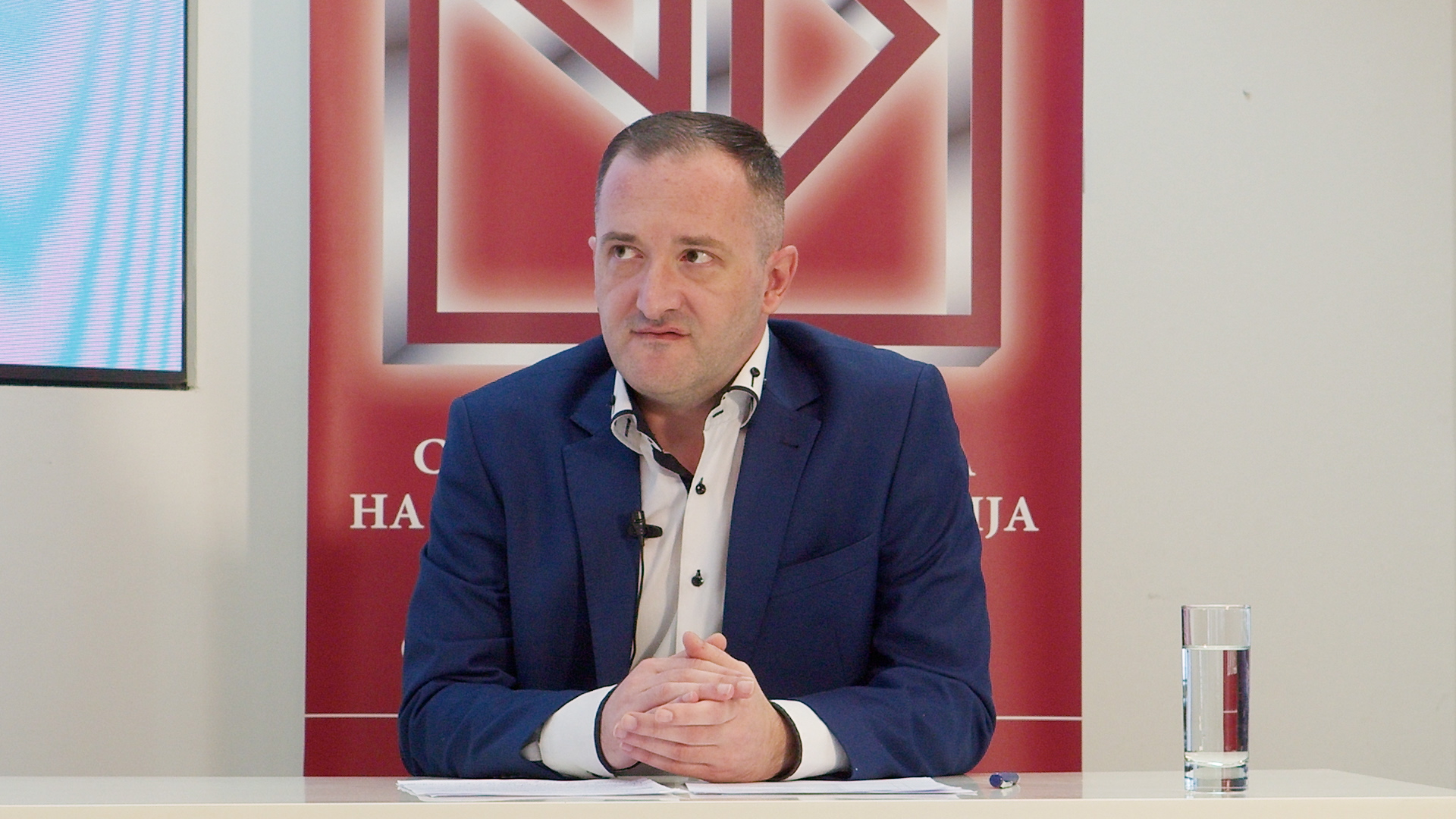
In the latest episode of the second season of the Business Club podcast, the President of the Economic Chamber of North Macedonia, Branko Azeski, speaks with five experts from the Chamber who, through their expertise, professional integrity, and transparent approach to work, make a significant contribution to improving the business climate and creating functional solutions for companies: Aneta Dimovska, MEcon, Manager for International Trade, Customs and Tax Policy and Coordinator of the Analytical Center; Natasha Janevska, MA, Education Advisor in the Office of the President of the Chamber; Dr. Tatjana Shterjova-Dushkovska, Operations Director in the Organizational Unit for Development, Innovation and Knowledge; Igor Tasevski, MBA, ATA Carnet Manager; and Mihajlo Donev, MSc, Assistant Operations Director in the Organizational Unit for Development, Innovation and Knowledge – professionals employed at the Chamber.
In the episode, they spoke openly about the current situation regarding exports, regional cooperation and education, as well as about their professional work and the contribution they make within the Chamber.
Economic expert Aneta Dimovska, MEcon, with many years of experience in senior management positions – from Head of Department at the Ministry of Finance to State Secretary at the Ministry of Economy – holds a master’s degree from the Faculty of Economics in Skopje. In 2019, she moved from the public sector to work at the Economic Chamber.
In the discussion on exports, Dimovska pointed out that the region, including our country, is stuck between the past and the future and is struggling to find its footing in the present, which directly reflects on export performance. According to her, under such conditions exports have no dramatic prospects without substantial structural changes.
Based on her experience in public administration, Dimovska assessed that the administration must directly listen to business representatives if it truly wants to understand their demands, problems, and challenges. Merely formal consideration of requests, which are sometimes not sufficiently precisely formulated and explained by businesses, can create the wrong impression that the private sector does not know what it is asking for. In such circumstances, problems are often passed from one institution to another, and their resolution is delayed.
She emphasized that joint problem-solving brings benefits to both sides and stressed that salaries in the public administration are the result of taxes paid by the private sector, which is why the administration must deliver appropriate, efficient, and high-quality services.
“Administration, and politics as well, should be servants of business and citizens, not their masters,” Dimovska stressed.
Speaking about the role of education in creating skilled labor, she underlined:
“If we look at it at a macro level, education aimed at creating workforce for business needs, with the efforts made by the Chamber, shows certain positive shifts in providing lower-skilled workers, but we still need to work in all segments of education for it to become functional and to follow business needs.”
Despite the reforms implemented in education, Dimovska expressed concern that the education system in the country is producing labor who leave and find employment abroad.
Natasha Janevska, MA, an expert with many years of experience in the field of education aimed at creating skilled labor for business needs, pointed out that even the most modern machines and technologies are useless without appropriately trained and qualified workers who know how to operate them. According to her, investments in education are a direct investment in productivity, efficiency, and growth of gross domestic product.
“Without qualified workers we cannot expect productivity, production and efficiency, and thus GDP growth. All our dedication and engagement are directed toward creating quality, functional education in line with business needs,” Janevska emphasized.
She stressed that continuous dialogue between education and the business sector is a key prerequisite for success, and that educational institutions should actively listen to companies’ requirements when defining the necessary skills and competencies, in order to create programs with a strong practical component.
As a former State Advisor at the Ministry of Education and Science and a member of the Advisory Committee on Vocational Education and Training at the European Commission, she is one of the key creators of the National Qualifications Framework. Since 2019, she has been part of the Economic Chamber of North Macedonia, where she works on creating a system for workforce development in line with business needs.
Based on her experience at the Ministry of Education and Science, Janevska explained how the process of introducing work-based learning in companies unfolded, where students acquire practical and transversal skills in a real working environment. She emphasized that today, thanks to the active role and activities of the Economic Chamber, dual education is recording significant growth both in the number of companies involved and in the number of participating vocational schools and dual classes.
Regional cooperation expert Dr. Tatjana Shterjova-Dushkovska spoke about the importance of the Western Balkans 6 Chamber Investment Forum (WB6 CIF) as a key platform for articulating and channeling the interests and needs of the business community from the six Western Balkan countries. She explained that the initiative originated from the chambers themselves, led by the President of the Economic Chamber Branko Azeski, together with the then President of the Kosovo Chamber and the President of the Serbian Chamber of Commerce and Industry, within the framework of the Berlin Process.
Dr. Shterjova-Dushkovska emphasized that regional cooperation, especially the active involvement of the private sector, is today highly positioned on the agenda of the European Commission. According to her, this positioning is a direct result of the consistent and long-term work of WB6 CIF, and she underlined that the list of companies that have gained concrete benefits from WB6 CIF’s activities is constantly expanding.
Speaking about her professional path, which began as a teaching assistant at the Faculty of Law “Iustinianus Primus” at Ss. Cyril and Methodius University in Skopje and about her employment at the Economic Chamber, Dr. Shterjova-Dushkovska noted:
“Chamber work and the way it functions, as well as the topics it covers, offer a breadth that is difficult to achieve elsewhere in the country. Such an overview of open issues on topics from different sectors and industries, focused in one place, and the large circle of acquaintances and companies can enable significant professional and career development.”
Igor Tasevski, MBA, an expert on the services of the Business Office at the Economic Chamber, reflected on his professional career, emphasizing that despite his international educational and work experience, he decided to build his career in his own country. He furthered his education with postgraduate studies in strategic management at Centennial College in Toronto, Canada, and also worked for a period as a lecturer at universities in China and Thailand, an experience he describes as extremely positive and one that enriched his professional career.
Mihajlo Donev, MSc, an expert in human resources development, emphasized that modern professions increasingly require a combination of specialization in a specific field and adaptability, as a result of rapid technological change. According to him, digitalization is fundamentally transforming professions, and continuous learning is becoming a necessity. As confirmation of this, Donev pointed to his own educational path – he graduated from the Faculty of Economics at Ss. Cyril and Methodius University, and obtained his master’s degree from the Faculty of Electrical Engineering and Information Technologies in Skopje.
He also referred to his own experience, emphasizing that the practical training he completed at the Chamber was crucial for his professional development. According to him, the Chamber represents a unique symbiosis between the private and public sectors, offering exceptional opportunities for learning, advancement, and building a network of contacts.
“The experience gained at the Economic Chamber is something few institutions can offer,” Donev concluded.




 Progressive Academy