„Dimitrie Cupovski“ 13, 1000 Skopje +38923244000 ic@mchamber.mk
„Dimitrie Cupovski“ 13, 1000 Skopje +38923244000 ic@mchamber.mk
.png)
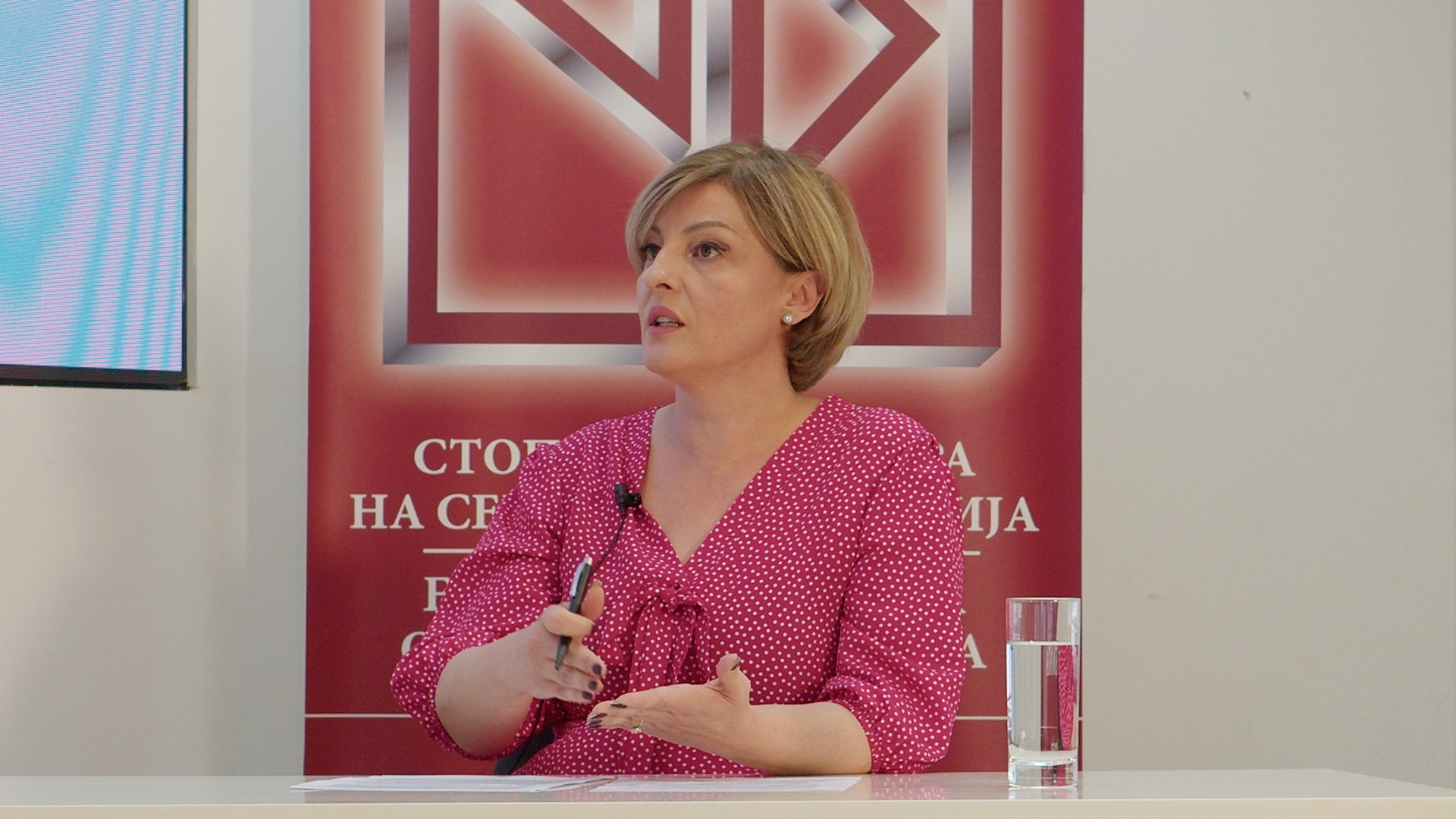

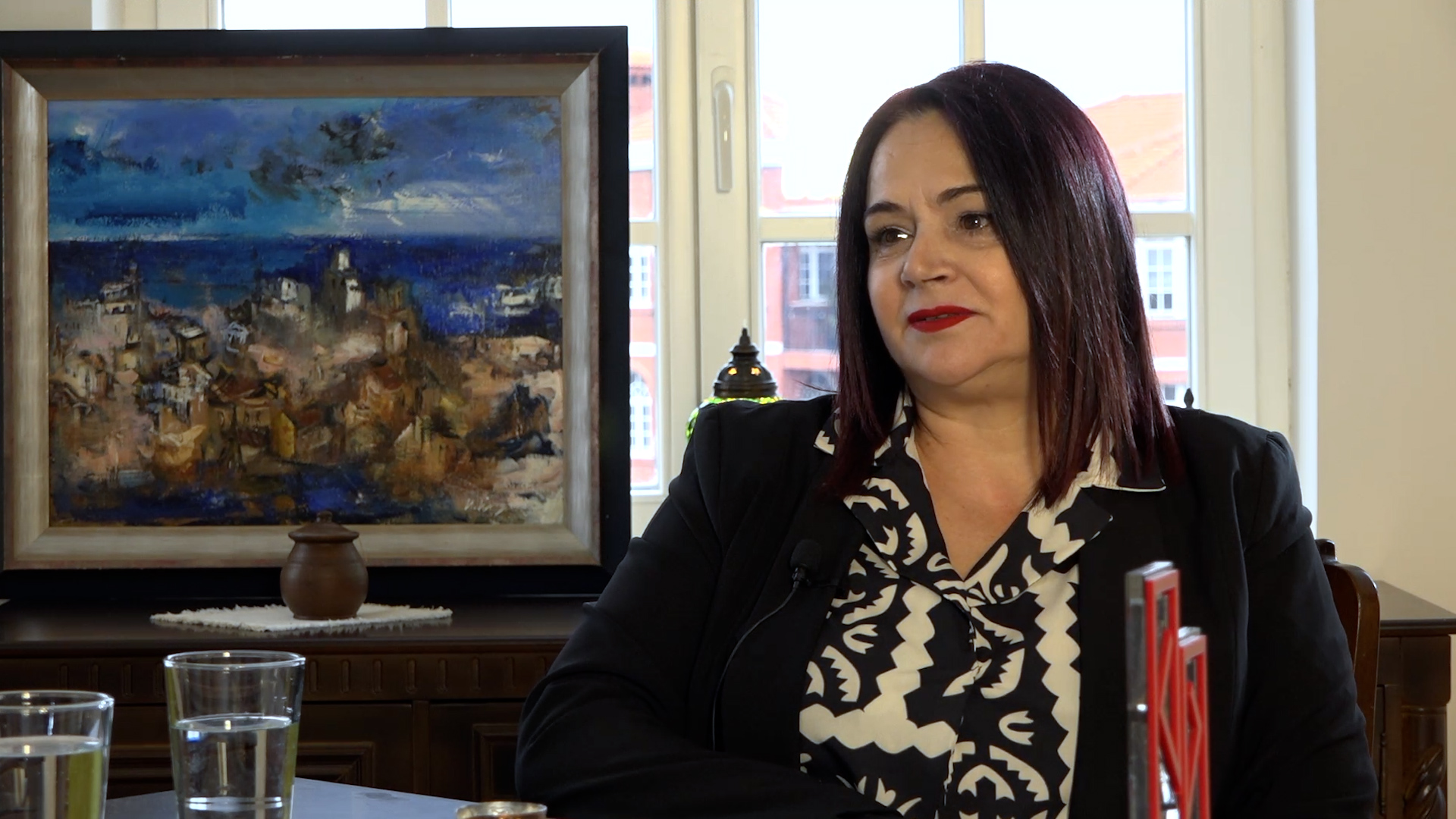
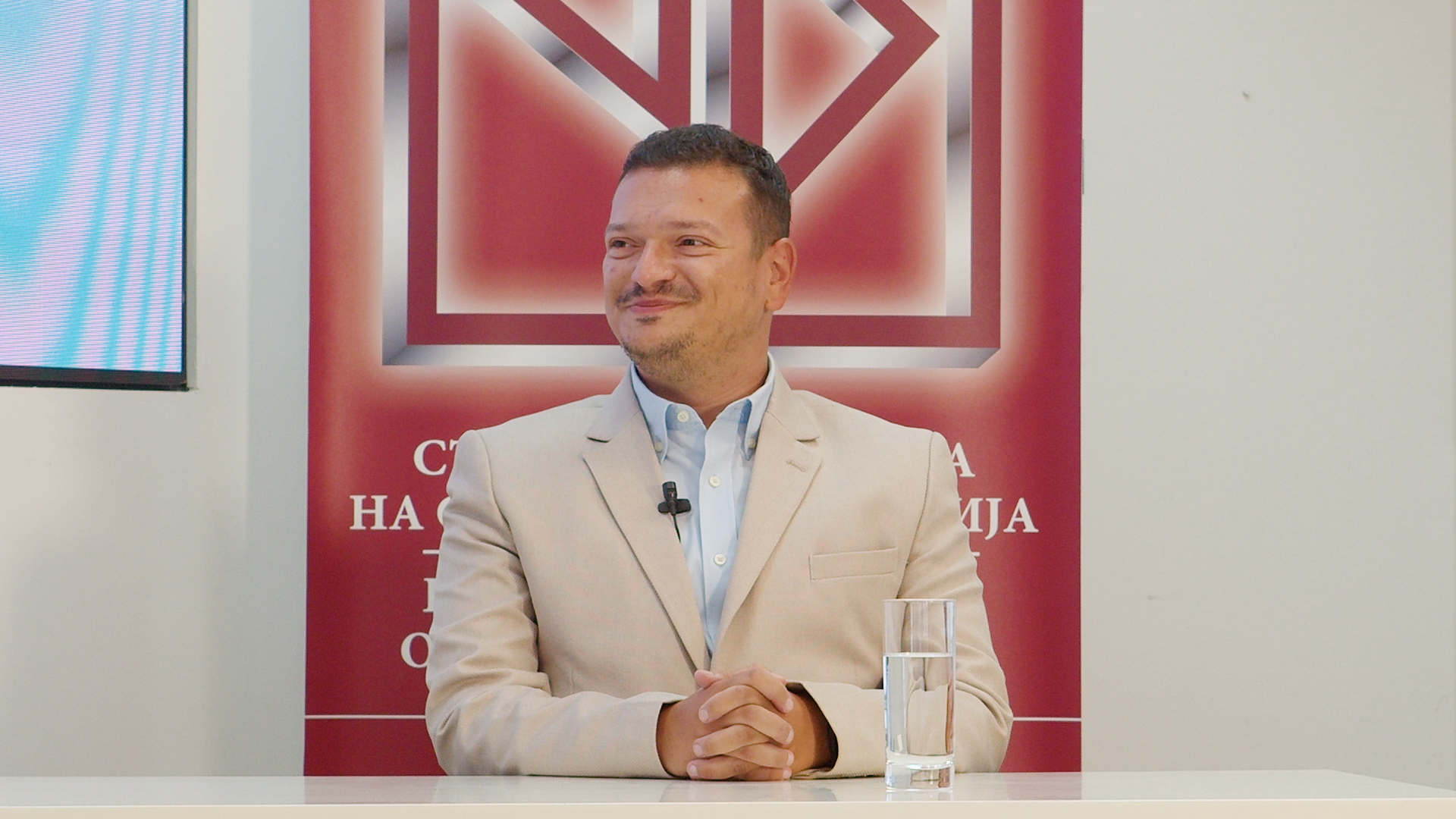
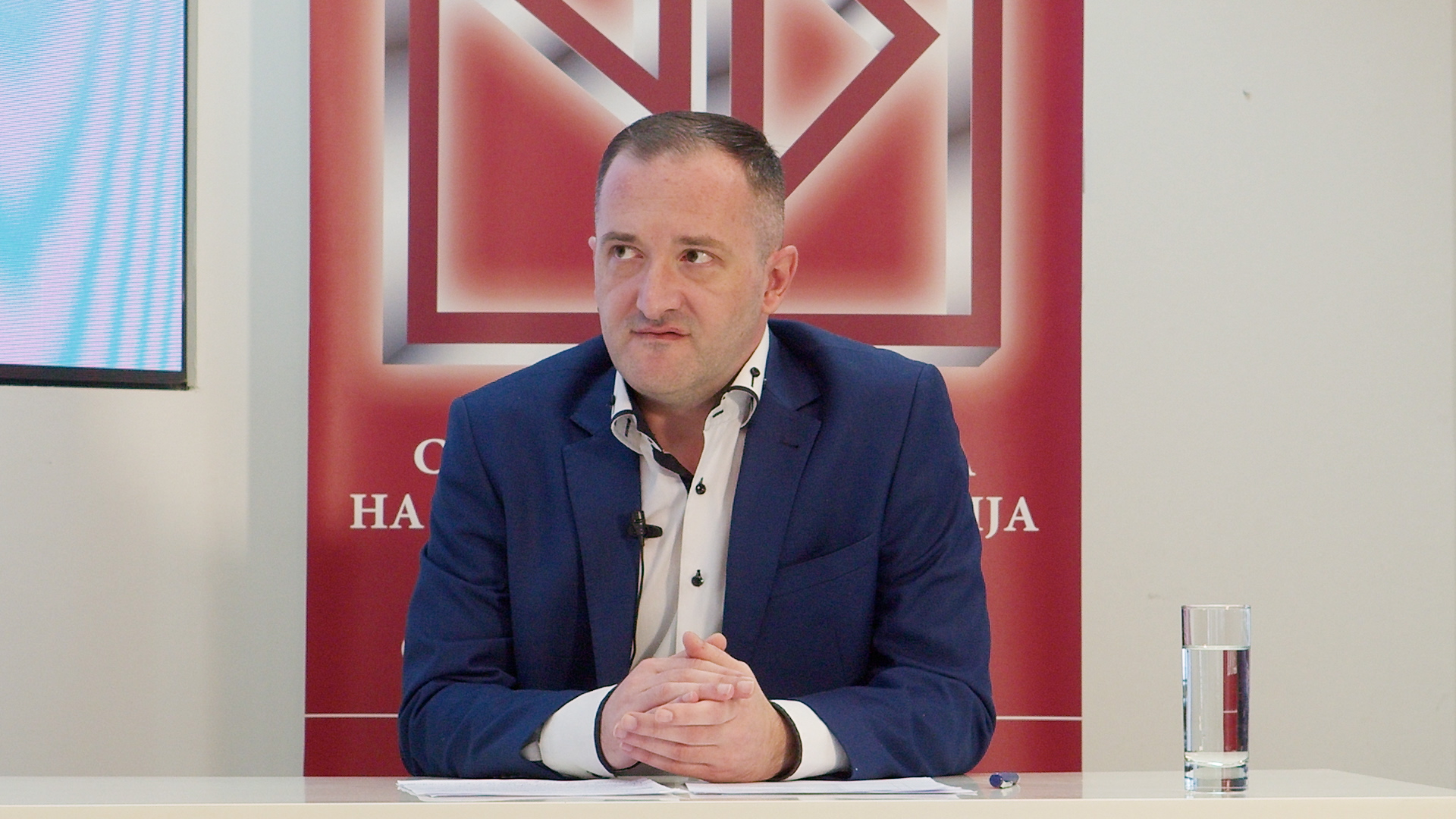
In the new episode of the Business Club podcast, the President of the Economic Chamber of North Macedonia, Branko Azeski, speaks with five experts from the Chamber whose work leaves a strong and recognizable mark on chamber operations: Aneta Dimovska, MEcon, Natasha Janevska, MA, Dr. Tatjana Shterjova-Dushkovska, Igor Tasevski, MBA, and Mihajlo Donev, MSc. The discussion with the President of the Chamber focused on key aspects of their work, as well as their views and analyses of current developments in the economy and education.
Igor Tasevski, MBA, ATA Carnet Manager, explained his role within the Economic Chamber, which represents direct support to the Macedonian business community in international trade processes. He elaborated on the importance of the ATA Carnet as an international customs document that enables the temporary import of goods without the payment of customs duties and taxes, emphasizing that this service significantly reduces bureaucracy and allows companies easier access to foreign markets. Speaking about his role and position, he noted:
“The ATA Carnet Manager is the responsible person for issuing and verifying ATA Carnets, which represent a kind of passport for goods and services when crossing from one customs territory to another, without unnecessary bureaucracy.”
Mihajlo Donev, MSc, addressed the role of social media in the lives and work of young people, a result of the fast and dynamic pace of modern living. He pointed out that social media are a quick and easily accessible source of information, but at the same time warned that speed often comes at the expense of the quality of content, which necessitates a critical approach and careful selection of information.
In the discussion with Dimovska, the issue of the minimum salary and its legal regulation was also addressed. She informed that the Law on the Minimum Salary is the result of a broad consultative process involving multiple stakeholders, with careful consideration given, on the one hand, to ensuring that the measure does not represent an excessive burden on employers, and, on the other, to providing a minimum level of security for workers’ labor.
Nevertheless, Dimovska expressed regret that a good idea aimed at protecting workers is often turned into an instrument of pre-election political promises, without sufficient attention being paid to the implications for the economy under conditions of low productivity. According to her, increasing the minimum salary leads to growth in other salaries, creates inflationary pressures, and increases costs for companies.
In the podcast, she also revealed part of her personal interests—her love of books and painting, which she experiences as a form of exercise and a way to relax.
Speaking on the topic of education, Natasha Janevska, MA, pointed to the need for a new model for financing vocational education, which is significantly more expensive than general secondary education due to the need for modern equipment, tools, and machines on which students are practically trained in school workshops.
Through the Western Balkans 6 Chamber Investment Forum, of which the Economic Chamber is a founding member, and through the support of KfW and the Regional Challenge Fund, a grant of EUR 7.1 million has been secured for consortia composed of vocational schools and companies, intended for equipping schools and implementing practical training.
As future priorities, Janevska highlighted the recognition of two-year vocational education as a basis for obtaining a diploma and as an option for choosing between employment or continuing education; improving the quality of practical training; and raising the quality of higher education through mandatory practical classes and standardization of qualifications, as well as through the establishment of vocational studies most needed by the business community.
“The next thing we want to work on is higher education, which should produce not only academic citizens, but also citizens with practical and professional skills required by companies,” added Janevska.
Continuing the podcast, in the segment dedicated to regional cooperation, Dr. Tatjana Shterjova-Dushkovska emphasized that experiences from the WB6 CIF can be used in implementing the Chamber’s priorities, particularly in regional cooperation, the completion of the dual education process, and the redirection of skills acquisition in higher education and exports.
Dr. Shterjova-Dushkovska stressed that it is precisely in the segment of dual education that the Economic Chamber of North Macedonia has recorded the greatest progress, a fact clearly confirmed by figures over the years. The Regional Challenge Fund project, through which grants are provided to schools and companies, is only support in this process. Through the Regional Challenge Fund, 99 projects in the region have been supported with more than EUR 44 million, involving over 530 companies. The funds have been used for modern equipment, laboratories, CNC machines, virtual reality, and training, which significantly contributes to the creation of a skilled labor.
In the area of exports, Dr. Shterjova-Dushkovska explained that WB6 CIF activities have been focused on developing tools and digital platforms, as well as providing direct support to companies to help them better position themselves, bearing in mind that only a small number of them are currently ready to enter the EU Single Market. Out of 60 applications, 13 companies received financial support totaling EUR 1.1 million.
“We are strategically oriented toward direct entry into the EU Single Market, but we must acknowledge that only a very small number of companies are currently adequately prepared to cope with the competition,” stated Dr. Shterjova-Dushkovska.




 Progressive Academy